You notice a hairline crack near your door frame. Your stomach drops. Is your house sinking? Should you panic?
Here’s the thing: every house settles. It’s kind of like how you shift around to get comfortable in a chair. The difference is knowing when your house is just getting comfortable versus when it’s developing real problems.
Licensed Professional: Understanding the 10 common settlement signs and what they mean helps BC homeowners make informed decisions about their property. Some indicators are completely normal. Others warrant a closer look. And a few demand immediate attention.
Let’s walk through exactly what you’re looking at and when you should take action.
What Does It Mean When a House Is Settling?
Settlement is the natural process where buildings adjust to their soil foundation, and materials stabilize. Think of it as your home finding its equilibrium with the ground beneath it.
During the first 1 to 3 years after construction, most active settling occurs. Your concrete cures completely, lumber adjusts to local humidity levels, and soil compresses under the building’s weight. This early settlement is expected and rarely causes problems.
But settlement continues throughout a home’s life, just at a much slower rate. Fraser Valley Focus: BC soil conditions create unique settlement patterns. Surrey clay soil expands and contracts with moisture changes. Richmond sits on Fraser River delta sediments and peat deposits that settle differently than stable ground. Even Vancouver heritage homes built a century ago continue subtle settlement.
The key is distinguishing between normal adjustment and problematic movement. Understanding whether your house is settling versus sinking makes all the difference in protecting your investment.
10 Common Signs Your House Is Settling
How to identify and fix foundation cracks? Here’s the framework we’ll use for each sign: Relax means it’s normal and nothing to worry about. Monitor means keep an eye on it and track changes. Call Now means get a professional assessment soon.
The combination of signs matters more than any single indicator. One hairline crack? Probably fine. Multiple cracks, plus sticking doors, plus floor slopes? Time for a conversation with someone who understands foundation settlement patterns.
1. Hairline Cracks in Drywall and Plaster
The most common sign homeowners notice, and often the least concerning.
Relax:
- Cracks under 1/16″ wide
- Located at door or window corners where stress concentrates
- Not growing or multiplying
- Appeared during first year after construction
Monitor:
- Cracks between 1/16″ and 1/4″ wide
- Multiple cracks in the same area developing over 6 to 12 months
- Slight growth when you mark them with pencil and check quarterly
- Located in areas of known soil movement
Call Now:
- Cracks over 1/4″ wide
- Rapid progression with widening within weeks
- Accompanied by other symptoms from this list
- Diagonal stair-stepping pattern through drywall
Local Authority: Surrey clay soil expands and contracts with moisture changes, causing more seasonal cracking than stable regions. Richmond homes built on peat deposits may show settling cracks concentrated in specific areas where soil composition varies.
2. Doors That Stick or Won’t Latch Properly
Subtle settling can shift door frames out of square, making doors harder to operate.
Relax:
- Seasonal sticking (summer humidity, winter dryness)
- Easily resolved with minor hinge adjustments
- Single door affected without progression
- Building under 2 years old
Monitor:
- Multiple doors showing issues over 6 to 12 months
- Progressively harder to open or close
- Visible gaps between door and frame
- Seasonal pattern becoming more severe each year
Call Now:
- Doors completely unable to close
- Rapid progression over weeks rather than months
- Visible frame distortion or pulling away from wall
- Multiple doors throughout the home affected simultaneously
Vancouver heritage homes often show seasonal door sticking due to wood expansion unrelated to settlement. Sloped Fraser Valley lots may cause more noticeable door issues on downhill sides where soil conditions create pressure.
3. Windows That Won’t Open or Close Smoothly
Similar to doors but often more sensitive to subtle frame shifts.
Relax:
- Smooth operation with minor resistance
- Seasonal variation pattern
- Single window affected
- Easily adjusted or lubricated
Monitor:
- Increasing resistance over months
- Multiple windows on the same wall
- Small gaps appearing around frames
- Pattern following soil moisture changes through rainy season
Call Now:
- Windows completely stuck
- Visible frame distortion
- Diagonal cracking from window corners
- Rapid progression
Richmond’s peat deposits create differential settlement that often shows up first in window operation, particularly in homes built on variable soil conditions where the Fraser River delta created uneven ground composition.
4. Small Gaps Between Walls and Ceiling or Floor
Separation indicating material adjustment or structural movement.
Relax:
- Gaps under 1/8″ wide
- Consistent size without growth
- Interior walls only
- Building under 2 years old
Monitor:
- Gaps 1/8″ to 1/4″ wide
- Slowly growing over 6 to 12 months
- Multiple locations developing
- Exterior wall involvement
Call Now:
- Gaps over 1/4″ wide
- Rapid expansion
- Accompanied by other signs from this list
- Daylight visible through gaps to exterior
Surrey clay soil movement causes more seasonal gap variation than stable regions. Watch for patterns correlating with rainy season soil expansion and dry summer contraction.
5. Nail Pops in Drywall
Nails pushing through the surface due to wood movement or settling.
Relax:
- Few scattered nail pops (under 10 total)
- Random distribution throughout home
- Not progressing or increasing
- Building under 3 years old
Monitor:
- Clusters in specific areas
- New pops appearing over months
- Pattern following wall lines or ceiling joists
- Increasing frequency
Call Now:
- Extensive nail pops (50 or more)
- Concentrated patterns indicating structural movement
- Accompanied by cracking or gaps
- Rapid appearance of many pops simultaneously
Less concerning as a standalone sign, but combined with interior wall cracks in Surrey clay soil areas may indicate movement beneath the surface.
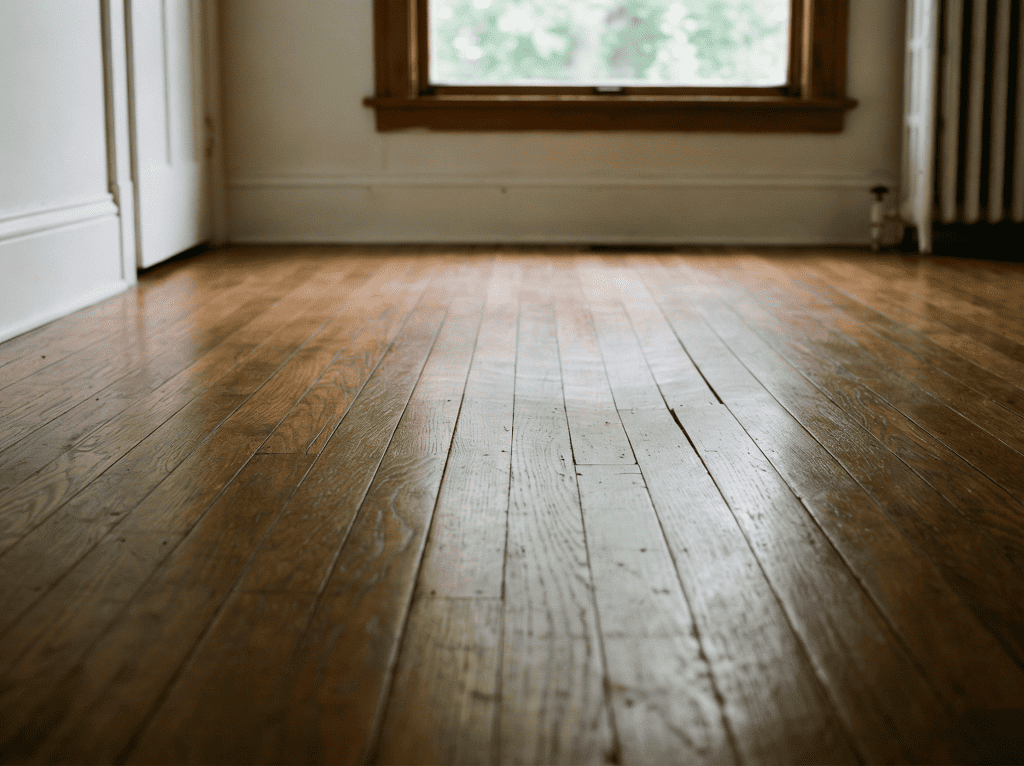
6. Uneven or Sloping Floors
Floor level changes can indicate serious issues or just be character in older homes.
Relax:
- Slope under 1/2″ over 20 feet
- Consistent since purchase in older home
- No progression when measured annually
- Older home with wood floor systems
Monitor:
- Slope 1/2″ to 1″ over 20 feet
- Slight progression over 12 or more months
- Localized sagging areas
- Marbles consistently rolling to one area
Call Now:
- Slope over 1″ over 20 feet
- Rapid progression with visible change in months
- Sagging or bouncy floors
- Combined with other symptoms from this list
Fraser Valley Focus: Sloped lots common throughout the Fraser Valley create baseline slope expectations different from flat properties. Vancouver heritage homes may have historic floor slopes unrelated to current issues.
7. Cracks in Foundation Walls or Concrete Slab
Direct indicators requiring careful assessment.
Relax:
- Vertical hairline cracks under 1/16″
- Typical concrete shrinkage cracks
- Not widening over time
- No water intrusion
Monitor:
- Horizontal or stair-step cracks
- Cracks 1/16″ to 1/4″ wide
- Slight progression when marked and checked
- Minor white mineral deposits (efflorescence) present
Call Now:
- Cracks over 1/4″ wide
- Horizontal cracks with wall bowing
- Rapid widening
- Water intrusion through cracks
- Stair-stepping pattern through blocks or mortar
Authorized Dealer: Ram Jack® steel pile systems address BC’s challenging soil conditions causing these cracks, from Richmond peat to Surrey clay soil challenges. Understanding your foundation solution options helps you make informed decisions.
8. Separation Between Walls and Chimney or Add-On
Different structures settling at different rates.
Relax:
- Gap under 1/4″
- Consistent without growth
- Clean separation line
- Known different construction systems
Monitor:
- Gap 1/4″ to 1/2″
- Slow progression over 12 or more months
- Chimney leaning slightly
- Seasonal variation pattern
Call Now:
- Gap over 1/2″
- Visible chimney lean
- Rapid progression
- Safety concern from leaning masonry mass
Vancouver heritage homes commonly show chimney separation due to different construction eras. Fraser Valley additions on different soil conditions create expected separation that’s usually not concerning.
9. Exterior Brick or Masonry Cracks
Exterior surfaces show stress patterns from movement.
Relax:
- Small cracks in mortar joints only
- Vertical alignment
- Not progressing
- Weather-related deterioration
Monitor:
- Diagonal stair-step patterns
- Multiple crack locations
- Slow progression over seasons
- Concentrated in specific walls
Call Now:
- Severe stair-stepping through bricks
- Brick displacement or bulging
- Rapid progression
- Combined with symptoms inside the home
Surrey clay soil creates more exterior masonry stress than stable regions. Watch for patterns following soil moisture cycles through wet winters and dry summers.
10. Basement or Crawl Space Water Issues
Settlement can create drainage problems and water intrusion points.
Relax:
- Minor dampness after heavy rain
- Quickly dissipating moisture
- No structural water entry
- Controlled by proper gutters and grading
Monitor:
- Increasing moisture frequency
- Small puddles after storms
- White mineral deposits on walls
- Drainage patterns changing
Call Now:
- Standing water
- Active water flowing through cracks
- Persistent dampness
- Combined with movement signs
Richmond’s high water table makes basement moisture monitoring critical. Surrey clay soil creates unique drainage challenges during the rainy season that homeowners should understand.
Which Settling Signs Are Normal in BC Homes?
Regional expectations vary significantly across British Columbia’s diverse soil conditions.
Surrey (Clay Soil):
- Seasonal hairline cracks completely normal
- Minor door sticking during humidity changes
- Small gaps that open and close with weather
- Expected cycle: expansion in wet months, contraction in dry
Richmond (Peat Deposits):
- Gradual settlement patterns over years
- Localized floor variations
- Differential movement between sections
- Ongoing minor adjustment as organic soil compresses
Vancouver (Heritage Properties):
- Historic baseline slopes from original construction
- Seasonal wood movement in older framing
- Character cracks that have been stable for decades
- Different standards apply to homes built before modern codes
Fraser Valley (Sloped Lots):
- Expected differential patterns on hillsides
- Drainage-related minor settlement
- Downhill side showing more movement
- Seasonal variations following rainfall patterns
Timeline expectations matter. The first 1 to 3 years see the most active settling. After that, you’re looking for stabilization. New cracks appearing in a 15-year-old home warrant more attention than the same cracks in a 1-year-old building.
Normal becomes concerning when you see progression, increasing severity, or combinations of multiple symptoms. One sign on its own? Probably fine. Three or four together? Time for a professional assessment.
When Settling Signs Become Problems Requiring Action
Pattern recognition separates normal settling from structural issues.
Single signs versus multiple symptoms tells you a lot. That one hairline crack? Not a crisis. But cracks plus sticking doors plus sloping floors? That pattern suggests something beyond normal adjustment.
Progression rate matters enormously. Changes measured in years are very different from changes measured in weeks. If you mark a crack with pencil and it’s noticeably wider two months later, that’s concerning. The same widening over two years? Much less so.
Watch for these red flag combinations:
- Multiple cracks growing simultaneously in different rooms
- Doors AND windows AND cracks appearing together
- Rapid progression with visible changes in weeks
- Structural deformation like bowing walls or leaning chimneys
- Water intrusion combined with movement signs
Local Authority: BC-specific risk factors increase concern levels. Surrey clay soil’s expansion and contraction cycles can accelerate problems. Richmond peat settlement patterns sometimes indicate deeper issues with organic soil compression. Sloped Fraser Valley properties face unique drainage challenges that exacerbate movement.
The cost of waiting can be significant. Small repairs caught early often prevent major reconstruction later. Foundation problems tend to worsen over time, not stabilize on their own.
And honestly? Peace of mind has real value. Living with uncertainty about your largest investment creates stress that a simple assessment eliminates.
When to Call for an Assessment
Fraser Valley Focus: Rapid response consultations help BC homeowners get clarity without pressure. Our free detailed evaluation provides expert interpretation of what you’re seeing.
Assessment makes sense when:
- Any “Call Now” red flags from the 10 signs above
- Multiple “Monitor” symptoms developing
- Uncertainty about sign severity
- Before buying or selling a home
- After significant weather events like heavy rain or drought
A professional assessment involves comprehensive interior and exterior inspection, soil condition evaluation, precise measurement and documentation, solution options if needed, and clear timeline and process explanation.
Licensed Professional: Our approach focuses on education first. You’ll understand exactly what’s happening with your property, whether it needs attention, and what your options are. No pressure, no sales tactics, just straight information from people who understand BC’s unique soil challenges.