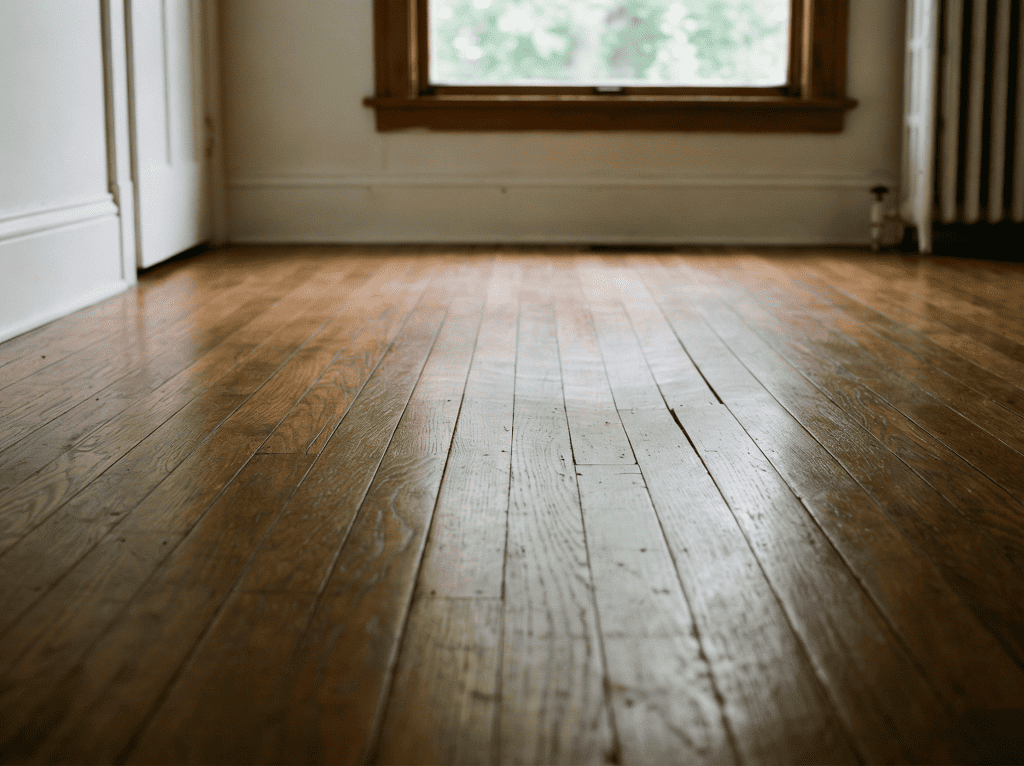
When Vancouver homes show several foundation symptoms at once, they’re telling you something urgent that goes way beyond routine maintenance issues.
Catherine’s story started with a question many homeowners ask: “I think my house is trying to tell me something serious, but I’m not sure what.” Walking through her Richmond split-level home, she noticed a troubling pattern that had developed over the past year.
Her basement had several cracks that seemed to be getting worse. Three doors throughout the house were becoming harder to close. The main floor felt noticeably sloped near the kitchen. Two windows required real effort to open. Last winter’s heavy rains had caused basement leaking. Wall cracks appeared in several rooms. Trim was pulling away from walls. Most recently, she’d noticed her front steps separating from the house.
Catherine wasn’t dealing with random problems; her home was sending urgent messages through a combination of warning signs that demanded immediate attention. What looked like unrelated issues actually represented a pattern requiring emergency intervention.
And honestly? Catherine’s situation is more common than most Vancouver homeowners realize. When homes develop several symptoms together, they’re not just adding problems; they’re creating cascading failures that accelerate toward potential catastrophe.
This guide examines what happens when homes display several foundation warning signs simultaneously, why this combination creates urgent situations, and how to respond when your home sends these distress signals.
Understanding How Homes Communicate Distress
Homes communicate through various symptoms, much like how your body uses different symptoms to signal illness. Throughout our foundation warning signs series, we’ve explored individual symptoms, foundation cracks, sticking doors, uneven floors, and stubborn windows. When these appear alone, they often indicate manageable concerns that respond well to targeted repairs.
But here’s where it gets concerning: when several symptoms appear together, your home is communicating something entirely different.
How Building Distress Escalates
Single symptoms typically indicate:
- Localized settlement affecting specific areas
- Normal settling that most homes experience
- Manageable problems with targeted solutions
- Issues that can often wait for convenient scheduling
Several symptoms reveal:
- Systemic building failures affecting entire support systems
- Accelerating problems that compound each other’s effects
- Emergency situations requiring immediate attention
- Building instability that threatens both safety and property values
The thing is, building problems don’t simply add together; they multiply. Each symptom creates additional stress on your home’s structure, accelerating the development of other symptoms and creating cascading failures that can quickly become emergency situations.
Licensed Professional: When Vancouver homes exhibit three or more foundation symptoms simultaneously, they indicate building failure patterns that require immediate assessment to prevent catastrophic damage.
Progressive Message Escalation
Homes typically begin with subtle messages that escalate when initial warnings go unaddressed:
Early communication (subtle messages):
- Occasional door sticking during humid weather
- Minor hairline cracks that don’t seem to grow
- Slight floor unevenness in one area
- Windows that require extra effort once in a while
Urgent communication (obvious messages):
- Doors that won't close properly throughout the house
- Cracks that are visibly growing or appearing in different locations
- Noticeable floor slopes affecting furniture placement
- Windows that require force to open regularly
- Basement moisture appearing during rain events
Emergency communication (several symptoms):
- Building systems failing simultaneously
- Rapid symptom development over short timeframes
- Exterior settlement visible from outside the home
- Interior damage affecting various rooms
When Vancouver homes reach this emergency communication stage, they’re telling you that foundational support has been compromised to the point where comprehensive intervention becomes necessary.
Common Warning Sign Combinations
Understanding how foundation symptoms typically cluster together helps Vancouver homeowners recognize when their homes are sending urgent messages rather than routine maintenance reminders.
The Classic Escalation Pattern
Early Warning Combination (Months 1-6):
- Foundation cracks appearing occasionally
- Door sticking during seasonal changes
- Minor floor unevenness in specific areas
This combination indicates developing settlement that can still be addressed through targeted intervention before failure occurs. Most homeowners at this stage think they’re dealing with normal house settling.
Progressive Problem Combination (Months 6-18):
- Worsening basement cracks that seem more noticeable
- Doors requiring force to operate regularly
- Obvious floor slopes in several areas throughout the home
- Some windows becoming difficult to open consistently
- Occasional basement moisture issues during heavy rain
This pattern indicates accelerating settlement requiring prompt attention. The problems are no longer occasional; they’re becoming part of daily life in the home.
Emergency Intervention Combination (Months 18+):
- Several basement cracks, some actively growing or widening
- Doors that won’t close properly without significant effort
- Floor slopes affecting furniture placement and daily activities
- Windows requiring excessive force to operate regularly
- Regular basement water infiltration during rain events
- Interior wall cracks appearing in various rooms
- Trim separation visible throughout the house
- Exterior settlement noticeable from outside
This combination indicates building failure requiring immediate emergency intervention to prevent catastrophic damage. At this stage, the home is clearly communicating distress that can’t be ignored.
Vancouver-Specific Symptom Patterns
Heritage Home Combinations: Vancouver’s character homes often display unique patterns due to their age and construction methods. These homes might show:
- Foundation settlement combined with original construction limitations
- Symptoms concentrated around heavy load-bearing areas
- Patterns following historical building modifications
- Combinations that reflect both age-related settlement and soil conditions
Modern Construction Combinations: Newer Vancouver homes typically exhibit:
- Symptoms appearing more rapidly due to construction methods
- Building problems that affect larger areas simultaneously
- Combinations related to engineered building systems
- Problems that indicate construction defects rather than natural settling
The key difference is that heritage homes often develop symptoms gradually over decades, while modern homes might display emergency combinations within just a few years of construction.
Regional Patterns in the Lower Mainland
Vancouver’s diverse soil conditions and geography create distinct patterns when homes develop foundation symptoms. Understanding these regional patterns helps homeowners recognize when their location-specific challenges are creating urgent situations.
Fraser Valley Clay Soil Combinations
Properties throughout Surrey, Langley, and other clay soil areas often develop symptoms following predictable seasonal patterns:
Wet Season Symptom Clusters (October-April):
- Foundation cracks that worsen visibly during soil saturation periods
- Door and window problems that intensify as clay soil expands
- Basement leaks that coincide with clay soil saturation and expansion
- Interior symptoms that develop during peak clay movement periods
Dry Season Symptom Patterns (May-September):
- Different symptom combinations as clay soil contracts and shrinks
- Problems that temporarily improve but return more severely each season
- Cumulative damage that becomes visible during soil movement cycles
Local Authority: Clay soil affects approximately 70% of Fraser Valley properties, creating predictable symptom patterns that require specialized understanding of seasonal soil movement and its effects on building foundations.
North Shore Hillside Property Combinations
Slope properties throughout North Vancouver and West Vancouver typically show distinct patterns:
Drainage-Related Combinations:
- Settlement patterns following natural water flow directions
- Symptoms concentrated on downhill sides of homes
- Building problems that worsen during prolonged rainfall periods
- Exterior settlement combined with interior problem clusters
Elevation-Specific Patterns:
- Symptom combinations that reflect slope stability challenges
- Problems affecting foundation zones differently based on elevation
- Building failure patterns influenced by both soil conditions and gravity
Seasonal Intensification:
- Symptom clusters that worsen dramatically during North Shore’s heavy rainfall periods
- Problems that appear stable during dry months but accelerate during wet seasons
Vancouver Urban Area Combinations
City properties often exhibit symptom patterns influenced by urban-specific factors:
Neighbourhood Soil Patterns:
- Symptoms affecting entire blocks due to similar soil conditions
- Building problems that correlate with neighbourhood construction eras
- Combinations influenced by urban development and infrastructure
Construction Impact Combinations:
- Symptoms triggered by adjacent construction activities
- Building problems that develop when nearby excavation affects soil stability
- Patterns that reflect urban density impacts on foundation systems
Heritage District Patterns:
- Character home symptom combinations following historical building load paths
- Problems that reflect both age-related settling and heritage construction methods
- Building failure patterns unique to Vancouver’s heritage neighbourhoods like Mount Pleasant and Kitsilano
Understanding these regional patterns helps Vancouver homeowners recognize when their symptoms follow predictable local patterns versus indicating unusual emergency situations requiring immediate intervention.
The Accelerating Danger of Combined Warning Signs
When Vancouver homes display several foundation symptoms simultaneously, they create situations that are fundamentally different from individual building concerns. The combination doesn’t just add problems; it multiplies the risks and accelerates toward potential building failure.
Why Combined Symptoms Indicate Emergency Situations
Building Integrity Threats: Several foundation warning signs appearing together indicate systemic building failure that threatens your home’s basic structural integrity. This creates potential safety hazards for occupants that extend beyond cosmetic concerns or convenience issues.
Rapid Problem Acceleration: Here’s what makes combined symptoms particularly dangerous: they create feedback loops. Each problem accelerates the development of others, causing rapid deterioration that can progress from manageable to catastrophic within months rather than years.
Comprehensive System Failure: Single symptoms often indicate localized settlement affecting specific areas of your home. Combined symptoms reveal that foundation failure is affecting your home’s entire support system, requiring comprehensive rather than targeted repair approaches.
The Multiplication Effect in Action
Think of it like this: when you have a small leak in your roof, it’s a localized problem. But when that leak causes electrical issues, damages flooring, creates mould problems, and compromises structural integrity, you’re dealing with cascading failures that multiply both complexity and cost.
Real-world acceleration patterns:
- Month 1: Minor door sticking occasionally
- Month 6: Door sticking plus basement cracks appearing
- Month 12: Previous symptoms plus floor unevenness and window problems
- Month 18: All previous symptoms plus interior wall cracks and exterior settlement
- Month 24: Comprehensive building failure requiring emergency intervention
Each stage doesn’t just add new problems; it accelerates the timeline for all existing problems to worsen.
Licensed Professional: When foundation problems combine, the window for cost-effective intervention closes rapidly, making immediate assessment essential for both safety and financial protection.
The Cost Explosion of Combined Building Problems
Combined foundation symptoms don’t just add repair costs; they multiply them exponentially by increasing system complexity and secondary damage throughout your home.
Single symptom repair costs typically include:
- Targeted foundation support for specific problem areas
- Localized restoration of affected building systems
- Straightforward engineering and permit requirements
Combined symptom repair costs multiply through:
- Comprehensive foundation support affecting entire building zones
- Coordinated restoration of interconnected building systems
- Complex engineering analysis and extensive permit coordination
- Secondary damage repair throughout affected areas
- Emergency service premiums when immediate intervention becomes necessary
The financial difference between addressing early warning combinations versus emergency intervention combinations can be substantial, often three to five times higher for delayed intervention.
But here’s the thing about foundation problems: they don’t pause for convenient timing or budget planning. When homes send urgent messages through combined symptoms, delaying assessment typically increases both complexity and costs significantly.
When Combined Symptoms Demand Emergency Response
Recognizing when foundation symptoms require immediate attention versus routine monitoring can mean the difference between manageable repairs and emergency building restoration projects.
Immediate Assessment Indicators
Any Three or More Simultaneous Symptoms: When your Vancouver home exhibits three or more foundation warning signs simultaneously, regardless of individual symptom severity, immediate assessment becomes essential. This threshold indicates systemic building issues that require expert evaluation.
Critical combinations requiring immediate attention:
- Foundation cracks + door problems + floor unevenness
- Basement moisture + interior wall cracks + exterior settlement
- Window difficulties + trim separation + door issues
- Any combination involving exterior settlement or rapidly growing cracks
Rapid Symptom Development: Foundation symptoms appearing within 6-month periods indicate active building failure requiring emergency intervention. This accelerated timeline suggests underlying problems that are progressing faster than normal settling patterns.
Seasonal Symptom Clustering: Symptoms that appear or worsen together during specific seasons (particularly during Fraser Valley clay soil movement periods) indicate building response to soil conditions requiring immediate expert assessment.
Documentation for Emergency Assessment
Comprehensive Symptom Inventory: Create detailed documentation of all foundation symptoms present in your home:
- Specific locations where each symptom appears
- Severity levels and how they’ve progressed over time
- Seasonal patterns or triggers you’ve noticed
- Recent changes or worsening of existing problems
This comprehensive inventory helps foundation professionals understand failure patterns and predict future development more accurately.
Photographic Evidence Collection: Document all visible foundation symptoms with dated photographs showing both severity and extent. Include:
- Wide shots showing overall areas affected
- Close-ups detailing specific damage or movement
- Reference objects for scale (coins, rulers, hands)
- Multiple angles of the same problem areas
Timeline Reconstruction: Reconstruct when each symptom first appeared and how they’ve progressed, helping professionals understand whether you’re dealing with gradual settling or accelerating failure:
- When you first noticed each individual symptom
- Whether problems appeared gradually or suddenly
- Seasonal patterns or weather-related worsening
- Any triggers like construction, flooding, or extreme weather
Authorized Dealer: Assessment of combined foundation symptoms requires understanding how Ram Jack steel pier systems address comprehensive building failure patterns affecting entire structural zones rather than isolated problem areas.
Assessment Process
When homes display several foundation warning signs, our free assessment follows a systematic approach designed to evaluate both immediate safety concerns and comprehensive repair requirements:
Immediate Safety Evaluation:
- Assessment of whether combined symptoms create immediate occupancy concerns
- Evaluation of building stability and structural integrity
- Identification of areas requiring immediate stabilization
Comprehensive Problem Analysis:
- Detailed analysis of how symptoms interact and affect overall building integrity
- Engineering evaluation of underlying causes creating symptom combinations
- Assessment of soil conditions contributing to building problems
- Development of comprehensive repair strategies addressing all affected building systems
This systematic approach ensures that when Vancouver homes send urgent messages through foundation symptoms, both immediate safety and long-term stability receive appropriate attention.
The Ossum Emergency Response Protocol
When Lower Mainland homes communicate building distress through foundation warning signs, immediate intervention becomes essential. Our emergency response protocol addresses the unique challenges created when foundation problems multiply rather than simply add together.
Immediate Assessment and Stabilization
Emergency On-Site Assessment: Our Fraser Valley team conducts comprehensive building evaluations when symptoms indicate emergency situations. This includes same-day assessment availability when homes display urgent warning sign combinations that suggest rapidly progressing building failure.
Building Safety Evaluation: We assess whether foundation symptoms create immediate safety concerns requiring temporary support or occupancy restrictions during repair planning. This evaluation determines whether emergency stabilization measures are necessary before comprehensive repair planning begins.
Advanced Building Stabilization for Combined Symptom Situations
Fraser Valley Focus: Foundation warning signs affecting Vancouver homes typically require comprehensive support solutions that address widespread building failure rather than isolated problem areas.
Steel Push Pier Systems for Comprehensive Failure: When homes display several warning signs, steel push pier systems often provide the most effective solution. These systems address widespread building failure affecting entire structural zones by:
- Transferring building loads to stable soil or bedrock layers
- Providing support for problem areas simultaneously
- Allowing for coordinated lifting and stabilization of affected building zones
- Integrating with existing building systems without extensive excavation
Strategic Helical Pier Applications: Helical pier systems provide targeted support for specific problem areas within comprehensive building failure patterns:
- Addressing concentrated settlement areas requiring precision support
- Providing supplemental stabilization for complex building geometries
- Supporting specific building elements like foundations, porches, or additions
- Offering installation flexibility for challenging access situations
Integrated Stabilization Approaches: Combined foundation symptoms typically require combination approaches using different pier types and installation strategies:
- Push pier systems for primary building stabilization
- Helical pier supplementation for targeted problem areas
- Coordinated installation sequences that address most critical problems first
- Integration with existing building systems to minimize disruption
Secondary System Restoration
Comprehensive building failure affects building systems beyond just foundation support:
Moisture Management System Restoration:
- Addressing basement leak issues that often accompany foundation settlement
- Restoring proper drainage around building perimeters
- Coordinating waterproofing with foundation stabilization work
Interior System Coordination:
- Planning repair sequences that minimize interior disruption
- Coordinating foundation work with necessary interior restoration
- Ensuring building systems integration after foundation stabilization
Exterior Restoration Planning:
- Addressing exterior settlement and its effects on building appearance
- Coordinating foundation work with necessary exterior repairs
- Planning landscaping restoration after foundation access requirements
Local Authority: Our Fraser Valley team’s understanding of regional soil conditions helps us predict how symptom patterns will respond to different stabilization approaches, ensuring comprehensive solutions rather than temporary fixes.
This integrated approach ensures that when Vancouver homes send urgent messages through foundation warning signs, both immediate stabilization and long-term building integrity receive appropriate attention.
Catherine’s Success Story: From Crisis to Stability
Catherine’s Richmond split-level home perfectly illustrates what happens when foundation warning signs converge to create an emergency situation, and how comprehensive intervention can restore both building stability and homeowner peace of mind.
The Crisis
When Catherine contacted us, her home was displaying all eight foundation warning sign categories we’ve discussed throughout our series:
The symptom progression:
- Foundation cracks: Several basement cracks that had appeared and worsened over 18 months
- Door problems: Three doors throughout the house requiring force to close properly
- Floor unevenness: Noticeable slopes in the main floor affecting furniture placement
- Window difficulties: Two windows requiring significant effort to open
- Basement moisture: Regular water infiltration during Vancouver’s rainy season
- Interior wall cracks: Visible cracks appearing in rooms upstairs and down
- Trim separation: Baseboards and door trim pulling away from walls throughout the house
- Exterior settlement: Front steps visibly pulling away from the main building structure
What made Catherine’s situation particularly concerning was the timeline; these symptoms had appeared and accelerated within just 18 months, indicating active building failure rather than gradual settling.
“I kept thinking each problem was separate,” Catherine explained. “I didn’t realize my house was trying to tell me something urgent until I started seeing problems in every room.”
The Assessment
Our comprehensive evaluation revealed extensive settlement affecting Catherine’s entire building system. The combination of Richmond’s delta soil conditions and seasonal moisture changes had created progressive foundation failure that was accelerating toward catastrophic damage.
Key findings:
- Settlement patterns affecting the entire building perimeter
- Soil conditions contributing to ongoing foundation movement
- Secondary damage throughout building systems
- Immediate need for comprehensive stabilization to prevent continued failure
Licensed Professional: Catherine’s situation demonstrated how foundation symptoms indicate building failure patterns requiring immediate intervention; waiting would have significantly increased both repair complexity and costs.
The Comprehensive Solution
Catherine’s Richmond home required building stabilization addressing all affected areas simultaneously:
Foundation Stabilization:
- Strategic steel push pier installation at 12 locations around the building perimeter
- Precision lifting to restore proper building elevation and eliminate settlement
- Comprehensive load transfer to stable soil layers beneath problematic delta soil
Helical Pier Supplementation:
- Targeted helical pier installation for specific problem areas requiring precision support
- Additional stabilization for the front entrance area where exterior settlement was most visible
- Supplemental support ensuring long-term stability for all building systems
System Restoration Coordination:
- Comprehensive moisture management system restoration addressing basement leak issues
- Coordinated interior repairs addressing wall cracks, door adjustments, and trim restoration
- Exterior repairs addressing settlement damage and restoring building appearance
The Transformation Results
Today, Catherine’s home shows no foundation symptoms. The comprehensive stabilization eliminated every warning sign that had been escalating:
Complete symptom resolution:
- Doors close smoothly without requiring force
- Floors are level throughout the house, furniture sits properly
- Windows operate effortlessly with normal opening mechanisms
- Basement remains completely dry during Vancouver’s heaviest rainfall
- Wall cracks have stabilized with no new damage appearing
- Trim fits properly against walls throughout the house
- Exterior settlement has been completely eliminated
Long-term stability assurance:
- Steel pier systems provide permanent support regardless of soil conditions
- Comprehensive moisture management prevents future water-related problems
- Integrated solution addresses all building systems affected by original settlement
“The difference is incredible,” Catherine reports. “Everything works the way it should, and I have complete confidence in my home’s stability. I wish I had called sooner; it would have saved me months of worrying about what was happening.”
Most importantly, Catherine now has peace of mind knowing her home’s urgent messages were heard and addressed before catastrophic failure occurred. Her experience illustrates why recognizing and responding to foundation warning signs creates both safer homes and more cost-effective outcomes than waiting for problems to escalate further.
Fraser Valley Focus: Catherine’s success story demonstrates how our team’s understanding of Lower Mainland soil conditions enables us to provide comprehensive solutions for complex symptom situations rather than temporary fixes that might fail as conditions continue changing.
Don’t Ignore Your Home’s Urgent Messages
Foundation warning signs represent your Vancouver home’s emergency communication system, alerting you to building failures that demand immediate attention. When your home develops several symptoms simultaneously or in rapid succession, it’s telling you that foundational support has been compromised to the point where comprehensive intervention becomes necessary.
Understanding that combined symptoms multiply rather than simply add together emphasizes why early recognition and response to individual warning signs prevents emergency situations that threaten both safety and financial stability. The homes that communicate through single, manageable symptoms are much easier and more cost-effective to help than those that have reached emergency status.
Local Authority: Throughout the Lower Mainland, we see predictable patterns in how homes develop foundation warning signs. Fraser Valley clay soil creates seasonal symptom clusters, North Shore slope conditions create drainage-related combinations, and Vancouver urban conditions create neighbourhood-specific patterns that help us understand what your home is communicating.
When Time Becomes Critical
Here’s what Vancouver homeowners need to understand about timing: when homes send urgent messages through foundation warning signs, the window for cost-effective intervention closes rapidly. Each additional symptom doesn’t just add complexity; it accelerates the timeline for all existing problems to worsen.
The difference timing makes:
- Early warning combinations: Targeted solutions addressing specific problem areas
- Progressive problem combinations: Comprehensive solutions requiring system coordination
- Emergency intervention combinations: Complex solutions requiring immediate stabilization and extensive restoration
Delaying assessment when symptoms appear can transform manageable building repairs into emergency restoration projects that affect both your family’s safety and your financial stability.
Your Home’s Communication Patterns
Throughout this foundation warning signs series, we’ve explored how homes communicate through individual symptoms. Combined symptoms represent escalated communication that demands immediate attention:
What your home is telling you through combined symptoms:
- Building support systems are failing in ways that affect overall structural integrity
- Problems are accelerating and will continue worsening without intervention
- Secondary damage is developing that will multiply repair complexity and costs
- Immediate action can still prevent catastrophic failure and more extensive damage
What delayed response means:
- Problems will continue multiplying and accelerating
- Repair complexity and costs will increase significantly
- Safety concerns may develop that affect your family’s well-being
- Property values may be negatively affected by visible building failure
Professional Guide: The most successful outcomes occur when homeowners recognize symptom patterns early and respond with immediate assessment rather than hoping problems will stabilize or improve on their own.
Taking Immediate Action
If your Vancouver home is displaying foundation warning signs, immediate assessment becomes essential for both safety and cost control. Combined symptoms indicate building failure patterns that require expert evaluation to prevent continued deterioration and more extensive damage.
When homes communicate building distress through symptoms, time becomes critical for effective intervention. The earlier you respond to these urgent messages, the more options you’ll have for comprehensive yet cost-effective solutions.