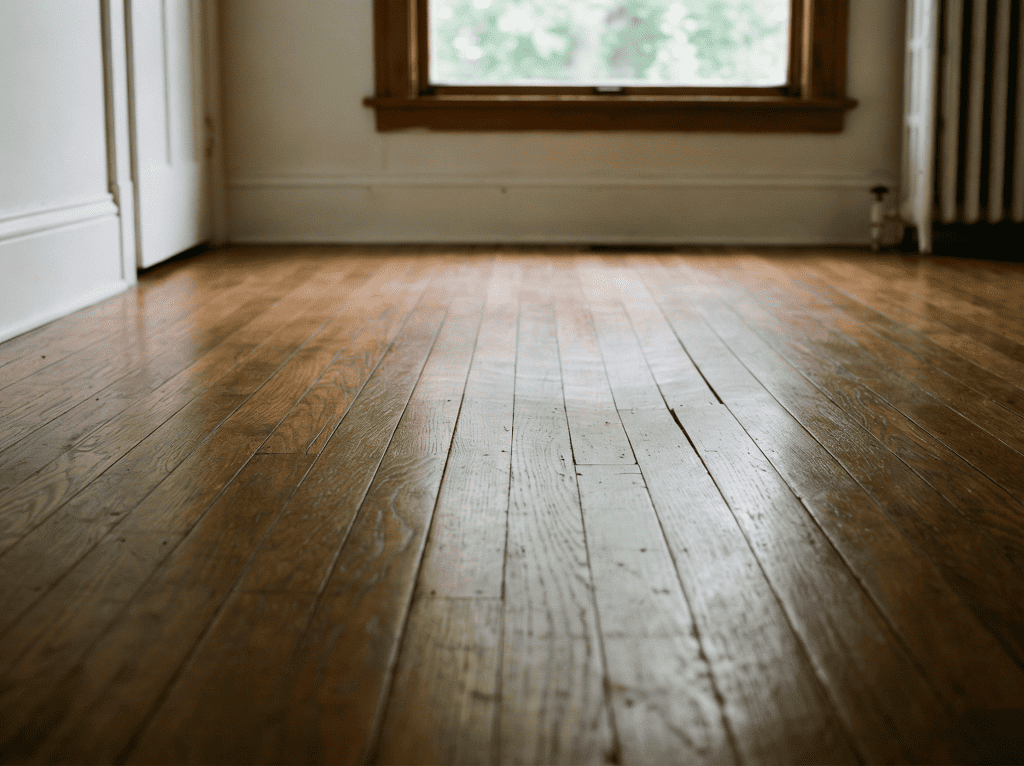
You walk into your kitchen and notice that the cabinet doors don’t quite line up like they used to. Or maybe you’ve spotted a new crack above the living room window. These subtle changes might make you wonder: Is my house sinking?
Licensed Professional: House sinking occurs when foundations lose adequate support from underlying soil, creating uneven settlement that affects structural stability and requires professional assessment.
The truth is, all houses experience some degree of settling as they adjust to the ground beneath them. But when that settling becomes uneven or excessive, it crosses the line from normal adjustment to a structural concern that needs attention. And honestly, understanding the difference can save you a lot of worry – and potentially a lot of money.
Understanding House Sinking vs Normal Settlement
Here’s something that surprises many homeowners: every house moves a little bit over time. Think of it like how you might shift around to get comfortable in a chair – houses do something similar as they find their equilibrium with the soil underneath.
Fraser Valley Focus: BC’s diverse soil conditions, from Surrey’s expansive clay to Vancouver’s varied geological makeup, create unique challenges that can affect how houses settle over time.
Normal settling happens gradually and evenly across the foundation. You might notice minor drywall cracks near corners or slight door adjustments needed after the first year or two in a new home. This kind of settling is usually harmless and often stops on its own as the house finds its balance.
But house sinking is different. When we talk about a house “sinking,” we’re really describing uneven or excessive settlement where parts of the foundation are losing support from the soil beneath. This creates stress patterns that can affect your entire home structure.
The Difference Between Settlement and Sinking
Normal settlement characteristics:
- Occurs gradually over the first few years
- Affects the entire house relatively evenly
- Usually stops once the house reaches equilibrium
- Creates minor cosmetic issues that are easily addressed
House sinking indicators:
- Happens unevenly, with some areas affected more than others
- Can occur in older homes as soil conditions change
- Often progressively worsens without intervention
- Creates structural stress that affects multiple home systems
The key is recognizing when normal settling has crossed into problematic sinking territory. And that’s where understanding the causes becomes really important.
What Causes Houses to Sink in BC?
Local Authority: BC’s soil conditions and climate patterns create specific house sinking risks that require understanding of regional geological factors and construction challenges.
Several factors can contribute to house sinking in British Columbia, and often it’s a combination of issues rather than a single cause:
Soil-Related Causes
Clay soil challenges: Surrey’s expansive clay soil is particularly notorious for causing house sinking issues. Clay soil expands significantly when it absorbs water and shrinks when it dries out. This constant expansion and contraction cycle puts pressure on foundations and can cause uneven settlement over time.
Poor soil compaction: Sometimes the soil beneath a house wasn’t properly prepared during construction. If the soil wasn’t adequately compacted before the foundation was poured, it can gradually compress under the weight of the house, leading to sinking.
Organic materials in soil: Soil containing decomposing organic matter – like tree roots, leaves, or other vegetation – can create voids as these materials break down over time. As these spaces develop, the soil loses its ability to support the foundation properly.
Fill dirt issues: Properties where soil was added to level the building site may experience sinking if that fill dirt wasn’t properly compacted or if it contains inappropriate materials that compress or wash away over time.
Water-Related Factors
Water is often the culprit behind house sinking, and BC’s climate patterns can create specific challenges:
Drainage problems: When water consistently pools around your foundation, it can soften and erode the supporting soil. Poor grading, inadequate gutters, or blocked drainage systems can all contribute to water accumulation that undermines foundation support.
Plumbing leaks: Underground water line breaks or sewer pipe leaks can wash away soil from beneath your foundation. These leaks often go undetected for months or even years, gradually eroding soil support and creating the conditions for house sinking.
Seasonal moisture cycles: BC’s wet winters followed by dry summers create moisture cycles that affect soil stability. Clay soils are particularly susceptible to these seasonal changes, which can contribute to foundation movement and sinking over time.
Groundwater changes: Changes in local water tables – whether from development, weather patterns, or other factors – can affect soil stability and contribute to foundation settlement issues.
Vegetation and Landscaping Factors
Tree root interference: Large trees planted too close to your house can contribute to sinking in two ways. As roots grow and expand, they can exert pressure on soil and foundations. Additionally, mature trees act like giant water pumps, drawing moisture from soil and causing clay soils to shrink and pull away from foundations. Learn more about tree roots and foundation damage.
Landscape irrigation: Ironically, both too much and too little irrigation can contribute to house sinking. Over-watering can soften soil support, while under-watering clay soils can cause them to shrink and create gaps beneath foundations.
Construction and Structural Factors
Foundation design inadequacies: Older homes may have foundations that don’t meet current standards for local soil conditions. What was considered adequate foundation support decades ago might not be sufficient for challenging soil types like Surrey’s clay.
Construction material issues: The quality of concrete, depth of footings, and adequacy of reinforcement all affect long-term foundation stability. Homes built during certain eras or using specific construction methods may be more susceptible to sinking.
Added structural loads: Home additions, renovations that add weight, or changes to how loads are distributed throughout the house can sometimes overload existing foundation systems and contribute to sinking.
And here’s what many homeowners don’t realize: house sinking often involves multiple contributing factors working together. A house with clay soil might handle normal moisture cycles fine, but add poor drainage and some tree root interference, and you’ve created conditions where sinking becomes much more likely.
What Are the Warning Signs of a House Sinking?
Professional Guide: Early detection of house sinking signs allows for intervention before structural damage becomes extensive and more expensive to address.
House sinking rarely announces itself with dramatic signs. Instead, it usually shows up as a collection of smaller changes that gradually become more obvious. Learning to recognize these warning signs can help you address problems early.
Interior Warning Signs
Door and window problems:
- Doors that used to close easily now stick or won’t latch properly
- Windows becoming difficult to open or close
- Gaps appearing around door and window frames
- Doors or windows that appear crooked or out of square
If you’re experiencing door problems that might indicate foundation issues, these could be early signs of house sinking that deserve attention.
Floor and ceiling issues:
- Floors that feel uneven when you walk across them
- Bouncy or soft spots in flooring
- Cracks appearing where walls meet ceilings
- Crown moulding or baseboards pulling away from walls
Wall and structural signs:
- New cracks in drywall, especially near corners or openings
- Existing cracks that are growing wider or longer
- Cracks that follow a stair-step pattern in block walls
- Cabinets or built-ins that no longer sit level
Exterior Warning Signs
Foundation visibility changes: One of the clearest signs of house sinking is seeing more foundation exposed above ground level than you remember. If you can suddenly see more concrete foundation blocks or poured concrete than before, it often indicates that part of your house has settled lower into the ground.
Structural separation signs:
- Chimneys appearing to pull away from the main house
- Porches or decks that seem lower relative to the main floor
- Gaps appearing where additions meet the original structure
- Steps or stoops that no longer align properly with doorways
Landscape and hardscape changes:
- Sidewalks or driveways cracking near the foundation
- Patios or pool decks becoming uneven
- Retaining walls showing signs of movement
- Previously level areas becoming noticeably sloped
Basement and Crawl Space Indicators
If you have access to basement or crawl space areas, these spots often show the earliest signs of house sinking:
- Cracks in basement walls, particularly horizontal cracks
- Basement floors that are cracking or becoming uneven
- Support posts that appear stressed or out of plumb
- New water intrusion where none existed before
Fraser Valley Focus: Surrey homeowners should pay particular attention to basement signs during spring months when clay soil expansion can reveal new stress points in foundation systems.
The important thing to remember is that house sinking symptoms often appear gradually. You might notice one or two minor signs and dismiss them as normal house aging. But when multiple indicators start appearing together, that’s when professional assessment becomes important. Understanding foundation warning signs every homeowner should know can help you recognize patterns early.
When Does House Sinking Become a Serious Problem?
Not every sign of house movement requires immediate action, but understanding when house sinking has moved from minor settling to serious structural concern is crucial for protecting your home and your family’s safety.
Licensed Professional: House sinking becomes structurally significant when uneven settlement creates stress that affects load-bearing elements or compromises foundation integrity.
Emergency-Level Signs
Some house sinking indicators require immediate professional attention:
Rapid or sudden changes:
- Doors or windows that suddenly won’t open or close
- New cracks appearing quickly or existing cracks growing rapidly
- Sudden changes in floor level or ceiling height
- Any structural element that appears unstable or severely stressed
Severe structural indicators:
- Horizontal cracks in foundation walls, especially if they’re wider than a quarter-inch
- Walls that appear to be bowing or bulging
- Support beams or posts showing obvious stress or damage
- Any situation where structural elements appear compromised
Concerning but Non-Emergency Signs
These indicators suggest professional assessment is needed soon, but don’t require emergency response:
Progressive deterioration:
- Multiple minor signs appearing over several months
- Seasonal patterns where symptoms worsen after wet or dry periods
- Gradual but consistent changes in door, window, or floor performance
- Slowly expanding cracks or separations
Quality of life impacts:
- Persistent moisture or water intrusion issues
- Difficulty using doors, windows, or built-in features
- Cosmetic damage that continues spreading despite repairs
- Concerns about home value or sale-ability
Surrey Clay Soil Considerations
Local Authority: Surrey’s clay soil creates specific house sinking patterns that homeowners should understand for proper assessment and timing of professional intervention.
Clay soil house sinking often follows seasonal patterns. You might notice symptoms worsen during wet winter months when clay expands, then improve slightly during dry summers when clay contracts. However, this seasonal improvement doesn’t mean the problem is resolving – it usually indicates that clay soil movement is contributing to foundation stress.
If you’re in Surrey and notice house sinking signs that correlate with weather patterns, professional assessment can help determine whether clay soil management strategies might prevent progression of settlement issues.
Professional Solutions for House Sinking Issues
Authorized Dealer: As BC’s exclusive Ram Jack® dealer, professional house sinking solutions involve advanced steel pier systems designed specifically for challenging soil conditions like Surrey’s clay.
When house sinking requires professional intervention, the goal is to stabilize the foundation permanently and prevent further settlement. Modern foundation repair techniques can address house sinking effectively without the extensive disruption many homeowners fear.
Steel Pier Foundation Systems
The most reliable long-term solution for house sinking involves installing steel pier systems that transfer your home’s weight to stable soil layers or bedrock beneath the problematic surface soil.
Push pier systems: Push piers are steel tubes driven through unstable soil until they reach stable supporting layers. These systems work by using the weight of your house to help drive the piers down to adequate bearing capacity, then transferring the structural load to these stable deep layers.
Helical pier systems: Helical piers feature steel shafts with helical plates (like large screws) that are rotated into the ground until they reach stable soil or bedrock. The helical plates provide excellent holding capacity in appropriate soil conditions.
Licensed Professional: Ram Jack® steel pier systems provide manufacturer-backed warranties and engineered load capacities specifically designed for BC soil conditions and building requirements.
The Foundation Stabilization Process
Understanding what to expect during house sinking repair helps homeowners prepare for the process:
Initial assessment and planning: Professional assessment determines the extent of settlement, underlying causes, and appropriate repair approach. This includes soil analysis to understand why sinking occurred and engineering evaluation to determine proper stabilization methods.
Permit and engineering coordination: Most house sinking repairs require building permits and engineering oversight. Professional contractors handle permit applications, coordinate with structural engineers as needed, and ensure compliance with local building codes.
Foundation stabilization installation:
- Strategic excavation around affected foundation areas
- Steel pier installation to stable soil layers or bedrock depth
- Foundation lifting to restore proper support and level
- Backfilling and site restoration to original condition
The installation process typically takes a few days for most residential house sinking repairs, and results are immediate. Once steel piers are installed and properly loaded, house sinking stops because the foundation is now supported by elements anchored in stable soil layers.
Addressing Secondary Damage
House sinking often creates secondary damage that needs attention after foundation stabilization. Understanding the relationship between foundation settlement and secondary damage helps homeowners prepare for comprehensive repair planning:
Structural repairs:
- Addressing cracks in walls, ceilings, or floors
- Realigning doors and windows for proper operation
- Repairing or replacing damaged flooring materials
- Fixing any plumbing or electrical systems affected by settlement
Moisture and drainage improvements:
- Implementing proper drainage around the foundation
- Addressing any water intrusion issues revealed during repair
- Installing systems to manage moisture and prevent future soil problems
Strategies for House Sinking Prevention
While some factors contributing to house sinking are beyond homeowner control, several prevention strategies can reduce risks:
Drainage and Water Management
Proper grading: Ensure soil around your foundation slopes away from the house to direct water away from foundation areas.
Gutter and downspout maintenance: Keep gutters clean and ensure downspouts direct water at least six feet away from foundation walls.
Foundation area monitoring: Watch for areas where water pools near your foundation and address drainage problems promptly.
Soil and Landscaping Considerations
Tree and shrub placement: Plant large trees and shrubs at appropriate distances from your foundation. As a general rule, plant trees no closer to your foundation than their expected mature height.
Irrigation management: Maintain consistent soil moisture levels around your foundation, especially during dry periods when clay soils can shrink dramatically.
Soil monitoring: Watch for changes in soil levels around your foundation and address erosion or soil loss promptly.
Regular Home Maintenance
Plumbing system monitoring: Have plumbing systems inspected regularly for leaks, particularly underground lines that could affect soil stability.
Foundation inspection: Conduct periodic visual inspections of your foundation for cracks, settlement, or other changes.
Professional assessment: Consider periodic professional foundation evaluations, especially if you live in areas with challenging soil conditions.
When to Contact the Professionals
Rapid Response: Fraser Valley homeowners concerned about house sinking can schedule same-week assessments to determine whether immediate intervention is needed or monitoring is appropriate.
Understanding when to seek professional help versus when to monitor the situation can save both money and stress:
Call immediately for:
- Rapid or sudden changes in house level or structural alignment
- Horizontal cracks in foundation walls
- Doors or windows that suddenly won’t function properly
- Any signs of structural instability or safety concerns
Schedule assessment soon for:
- Multiple minor house sinking signs appearing together
- Gradual but consistent changes over several months
- Seasonal patterns where symptoms correlate with weather changes
- Concerns about foundation stability or home value
Monitor and consider assessment for:
- Isolated minor signs that aren’t changing rapidly
- Normal settling in newer homes during the first few years
- Minor cosmetic issues that may be related to house movement
The reality is that professional foundation assessment provides peace of mind regardless of your situation. Assessment helps distinguish between normal settling and problematic house sinking, and gives you accurate information for making informed decisions about your home.
What Are the Cost Considerations and Investment Protection?
House sinking repair represents an investment in your home’s structural integrity and long-term value. While we don’t discuss specific pricing, understanding the factors that influence repair scope helps homeowners prepare:
Factors affecting repair complexity:
- Extent of settlement and number of affected foundation areas
- Depth to stable soil or bedrock for proper pier support
- Access considerations around your home for equipment and materials
- Local permit requirements and engineering coordination needs
Investment protection perspective: House sinking repair typically costs significantly less than dealing with progressive structural damage. Early intervention usually requires less extensive work, meaning more affordable solutions and less disruption to daily life.
Professional foundation stabilization also protects your home’s value and marketability. Homes with properly addressed foundation issues often sell more easily than homes with unknown foundation risks. For more information about foundation underpinning and stabilization methods, professional consultation provides specific guidance.
Understanding Your House Sinking Situation
Look, house sinking sounds scary, but it’s actually a well-understood structural problem with reliable professional solutions. The key is getting accurate information about your specific situation rather than worrying about worst-case scenarios.
Fraser Valley Focus: Our local team understands BC’s unique soil challenges and provides professional assessment to help homeowners understand whether house sinking requires immediate attention or careful monitoring.
Most house sinking situations fall into one of three categories:
Normal settling: Minor cosmetic issues that don’t require structural intervention but benefit from monitoring and maintenance.
Progressive settlement: House sinking that’s developing gradually and benefits from professional intervention to prevent further damage.
Active structural problems: House sinking that’s affecting structural integrity and requires prompt professional stabilization.
Professional assessment helps determine which category your situation falls into and what the appropriate response should be. This eliminates the uncertainty and stress of not knowing whether your house movement is normal or problematic. You can learn more about different foundation repair approaches across Metro Vancouver and determine which solutions might be appropriate for your situation.